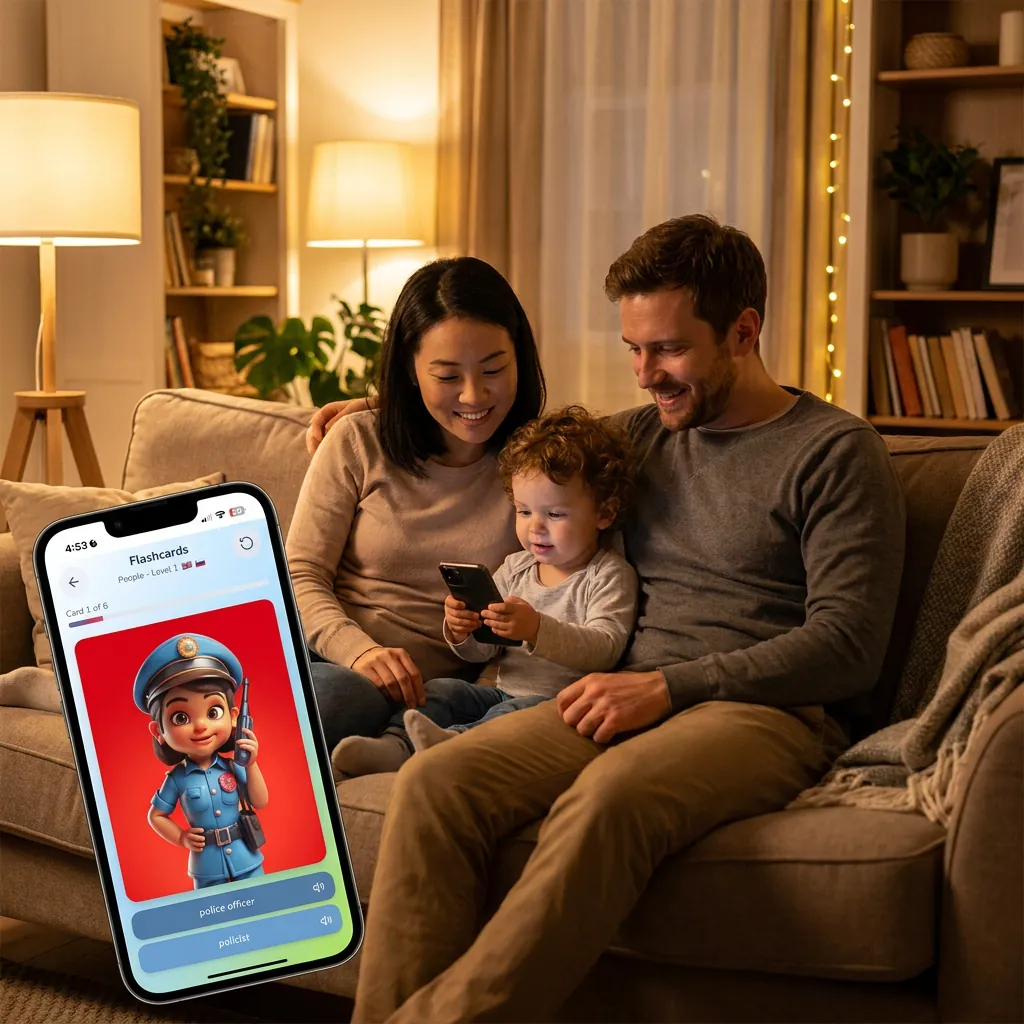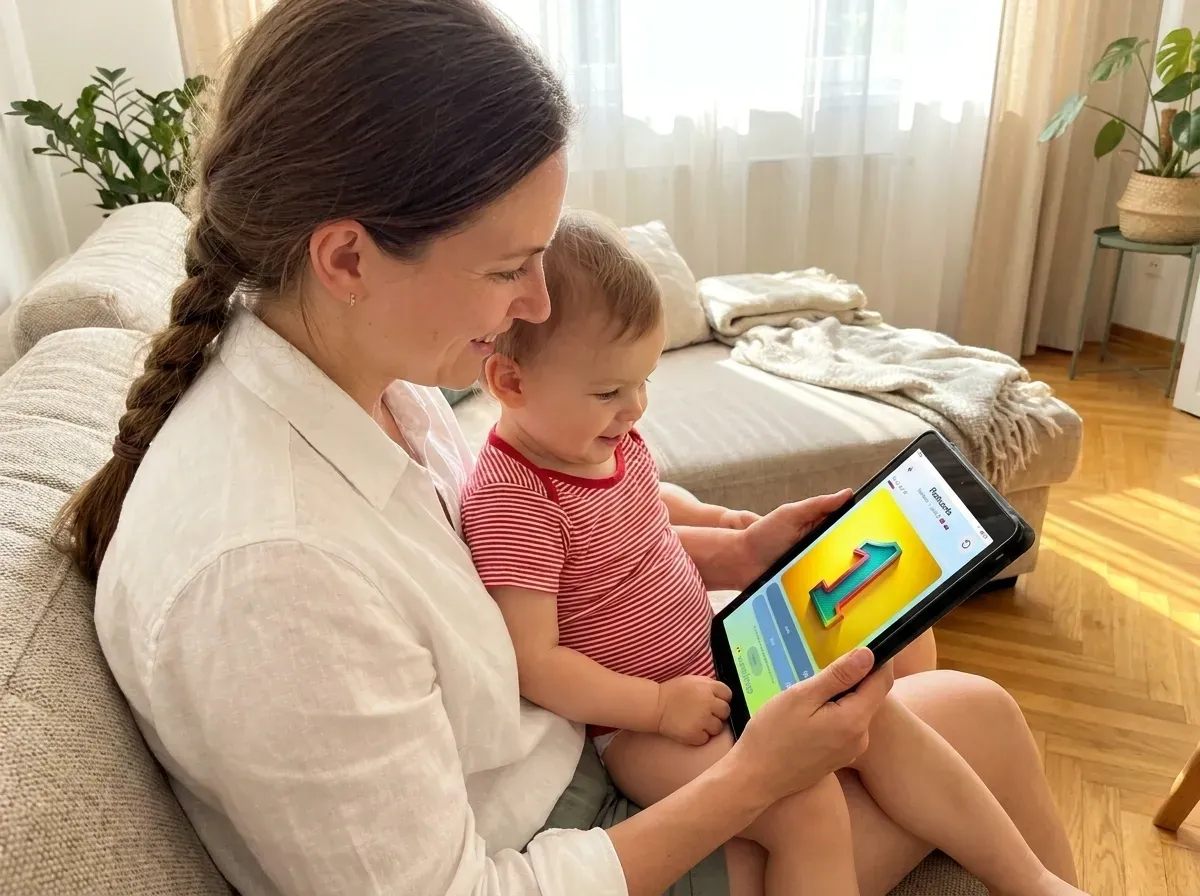
In short: start early, be consistent and make it playful. Speak to your child in the languages you actually use, choose short daily games over drills, and relax about mixing languages.
If you're raising a child in a bilingual household, you've probably heard the same advice on repeat: "Just speak both languages, and they'll pick it up."
While it's true that early exposure is everything, most parents quickly realise it's not quite that simple. One parent speaks Croatian, the other speaks English. Grandma visits twice a year and speaks Slovak. You live in Australia. How do you build vocabulary in all of these languages without turning every meal into a language lesson?
Here is what works, based on what bilingual families around the world are doing.
1. Start before they can talk back
The early years are when children absorb the sounds and patterns of language most easily, and you don't need to wait until they understand you. Name the objects around them: "That's a dog. Pas. Hund." The key is consistency. A few words every day beats an intense weekend of immersion followed by nothing.
2. One person, one language (OPOL)
A popular approach for bilingual families is One Person, One Language. Each parent speaks only their own language to the child, even when the child answers in the other one.
Why it works: it gives each language a clear identity and a distinct "source" in your child's mind.
The challenge: it takes discipline. When you're tired or in a hurry, it's tempting to default to the dominant language. It isn't the only approach, and families adapt it to their own lives. What matters most is that your child hears each language regularly from real people.
3. Make vocabulary stick with games, not drills
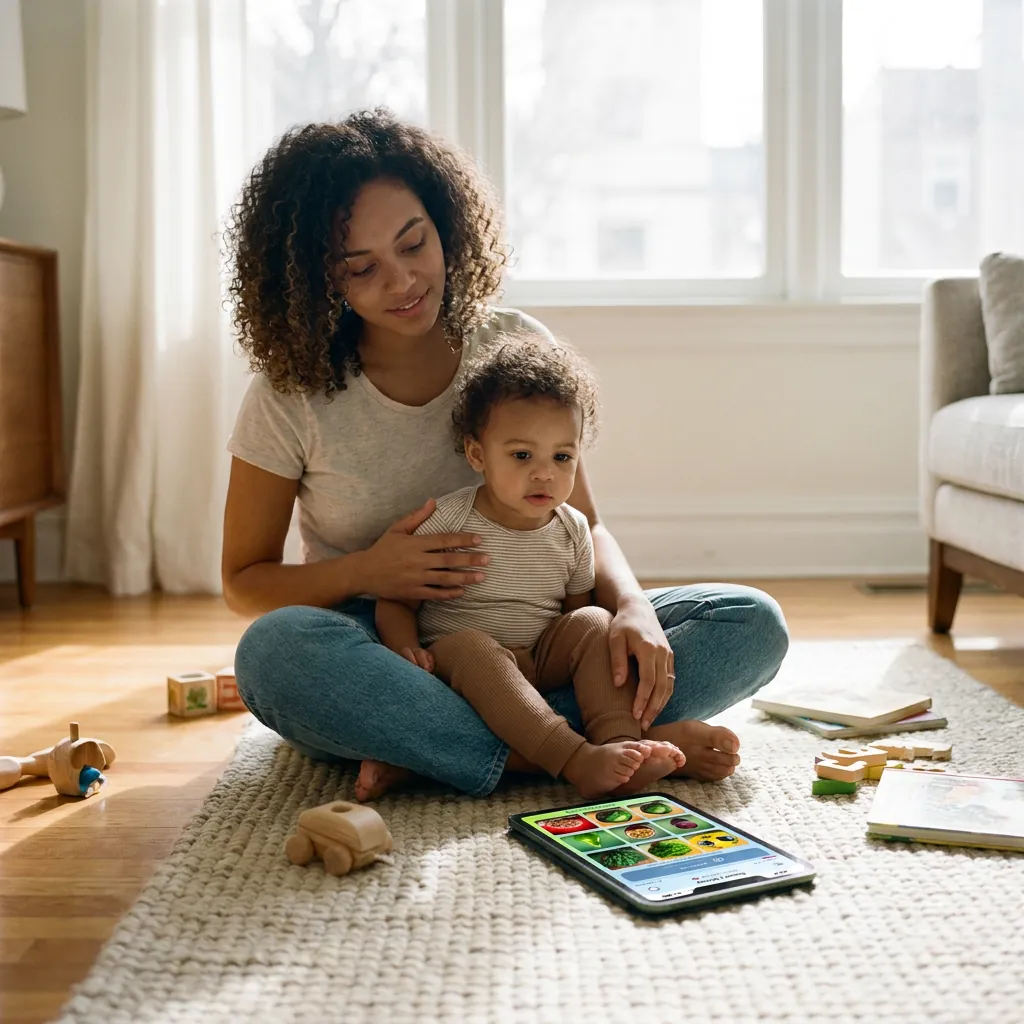
Toddlers don't learn from flashcards the way adults do. They learn through play. Good vocabulary activities for children aged 0 to 6 include:
- Image matching: pairing a picture of a cat with the spoken word "cat" or "gato"
- Sound matching: hearing a word and finding the matching picture
- Memory games: flipping cards and matching words across two languages
These activities help children discover that the same thing can have different names in different languages. It is called metalinguistic awareness, and it is a big step in bilingual development.
4. Use your family's voice, not just an app
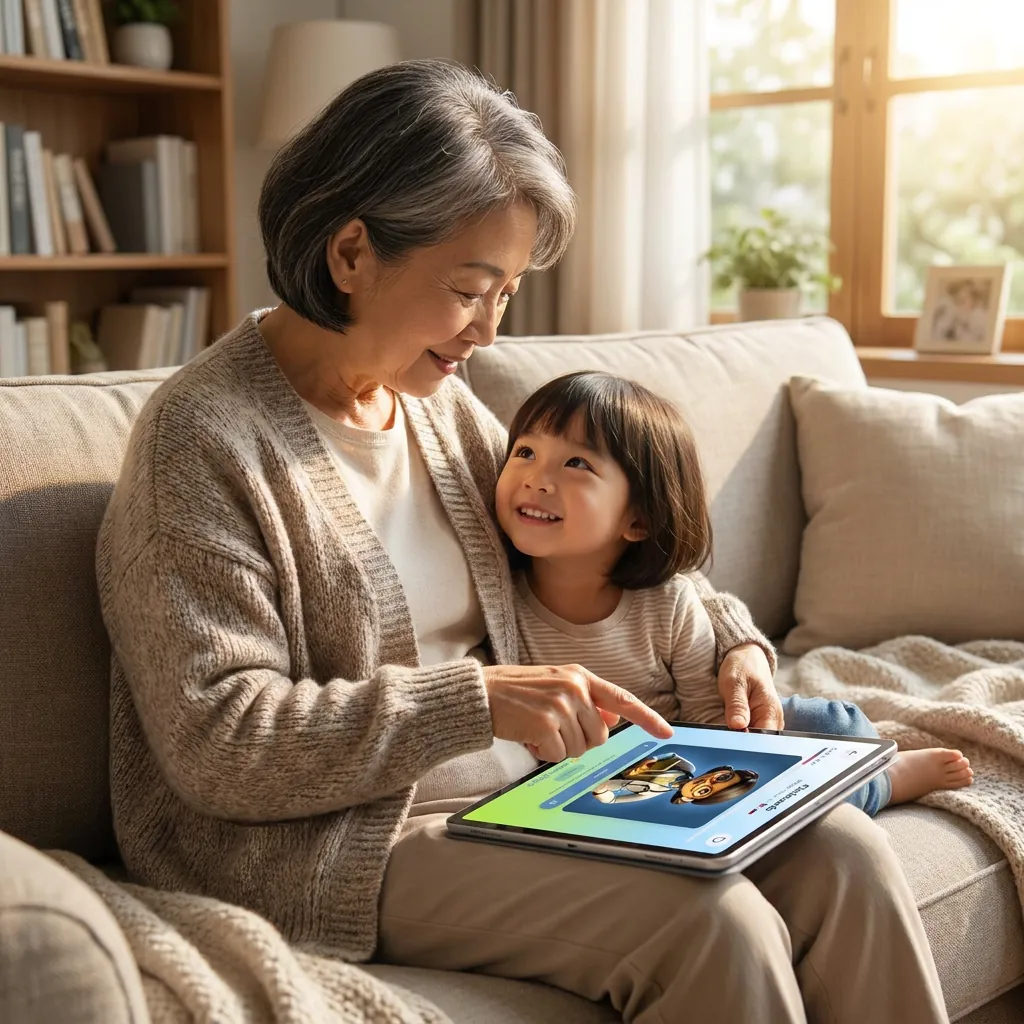
Children respond to familiar voices. Apps with synthetic voices are fine for exposure, but some of the most powerful reinforcement comes when your child hears you, or Grandma, saying the word.
If you use a vocabulary app, look for one that lets you:
- record your own voice
- upload your own photos
- add words in your specific dialect or minority language
EveryLingo was built for this. You can add any language or dialect, record your family's voices, and use real photos of your child's toys and food to make vocabulary personal.
5. Lean into the minority language
In many bilingual households one language dominates, usually the one spoken at school and by friends. The language spoken at home is the one most at risk of fading. Give it extra room: books, cartoons, games and time with people who speak it. The dominant language usually takes care of itself through everyday life.
6. Don't panic about language mixing
Every bilingual child mixes languages sometimes. This is called code-switching, and it is a sign of a child using all the tools available, not a sign of confusion or failure.
The bottom line
Teaching your toddler two languages comes down to three things:
- Start early. The earlier, the better.
- Be consistent. Even when it's hard.
- Make it playful. Games beat drills.
If you are worried about how your child is talking, in any language, ask your doctor or a speech-language pathologist. Being bilingual is not the cause of a speech delay, and EveryLingo is a vocabulary tool, not speech therapy.
EveryLingo is a multilingual vocabulary app for children aged 0 to 6. It has 720+ ready-made words in 142 language options (75 languages and their regional variants), lets families add their own dialects, photos and voices, and is free to try, with a one-time payment to unlock everything.
Try EveryLingo free
Choose your languages and start playing. No sign-up needed.
Play freeFrequently asked questions
What is the best way to raise a bilingual toddler?
Start early, be consistent, and make it playful. Many families use One Person, One Language, but what matters most is that your child hears each language regularly from real people.
What does OPOL mean?
OPOL stands for One Person, One Language. Each parent speaks only their own language to the child.
Is it normal for my toddler to answer in only one language?
Yes, it is common for children to answer in whichever language dominates their day. Keep speaking yours, and give it extra room at home.
How early should I start?
You can start before your child talks. Naming everyday objects in both languages from the first months builds a foundation.