In short: you can build a toddler's vocabulary in two languages at the same time. Name everyday things in both languages, keep both alive every day, and give every word a picture and a sound. Neither language needs to go first.
Most vocabulary apps for toddlers teach one language. You practise "apple" in English, then switch apps to practise "manzana" in Spanish. It works, sort of, but it treats one language as the real one and the other as its translation. For bilingual families, that feels wrong from day one.
Can toddlers learn two languages at the same time?
Yes. Research consistently finds that learning two languages does not cause language delay, and professional bodies such as the American Speech-Language-Hearing Association (ASHA) say the same. A toddler who knows "dog" in English and "perro" in Spanish knows two words for one idea. When you count words across both languages, a bilingual child's total vocabulary is typically comparable to that of a child learning one language, even if each language on its own looks smaller.
Mixing languages in a single sentence, called code-switching, is normal too. It shows a child using everything they know, not a child who is confused.
Why "one language first" feels wrong for bilingual families
For a child who hears both languages from birth, neither language is a translation of the other. Both are simply the words for the thing. What helps most is consistent exposure, equal attention to both languages, and vocabulary practice that treats both as primary.
A rough guide by age
Every child is different, so treat this as a starting point, not a schedule.
Ages 0 to 2: exposure
Your job is volume. Name everything, in both languages, all day: "Ball. Pelota. Dog. Perro." Don't worry about whether your child understands yet. They are learning the sounds and rhythm of both languages.
Ages 2 to 4: pairing and matching
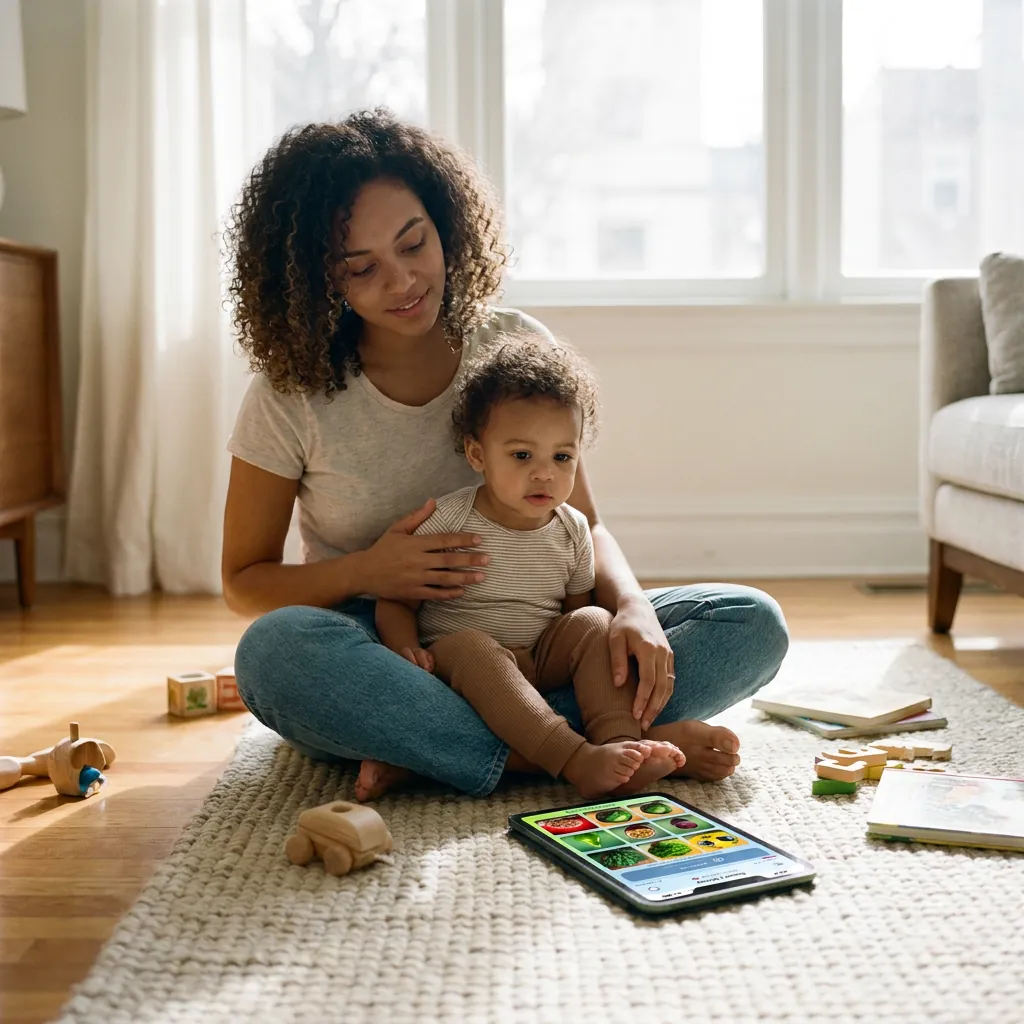
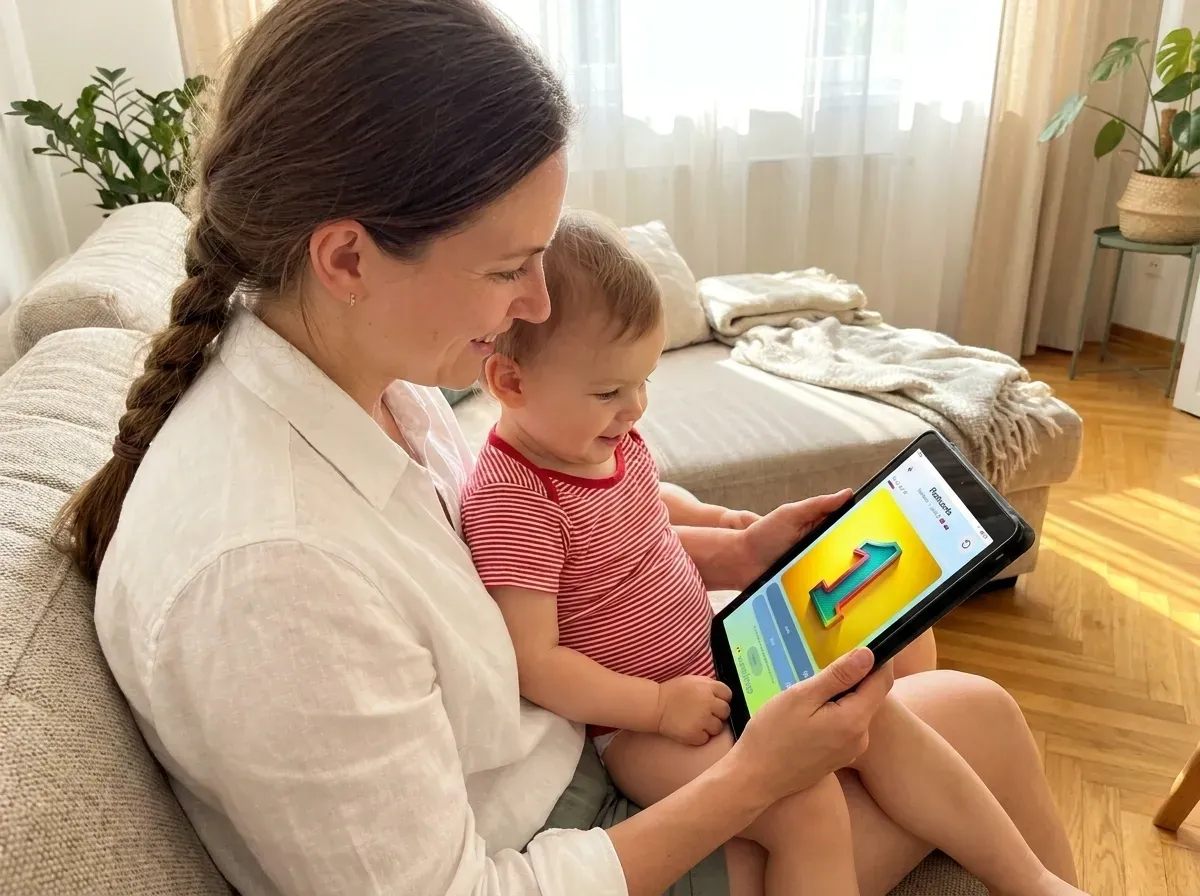
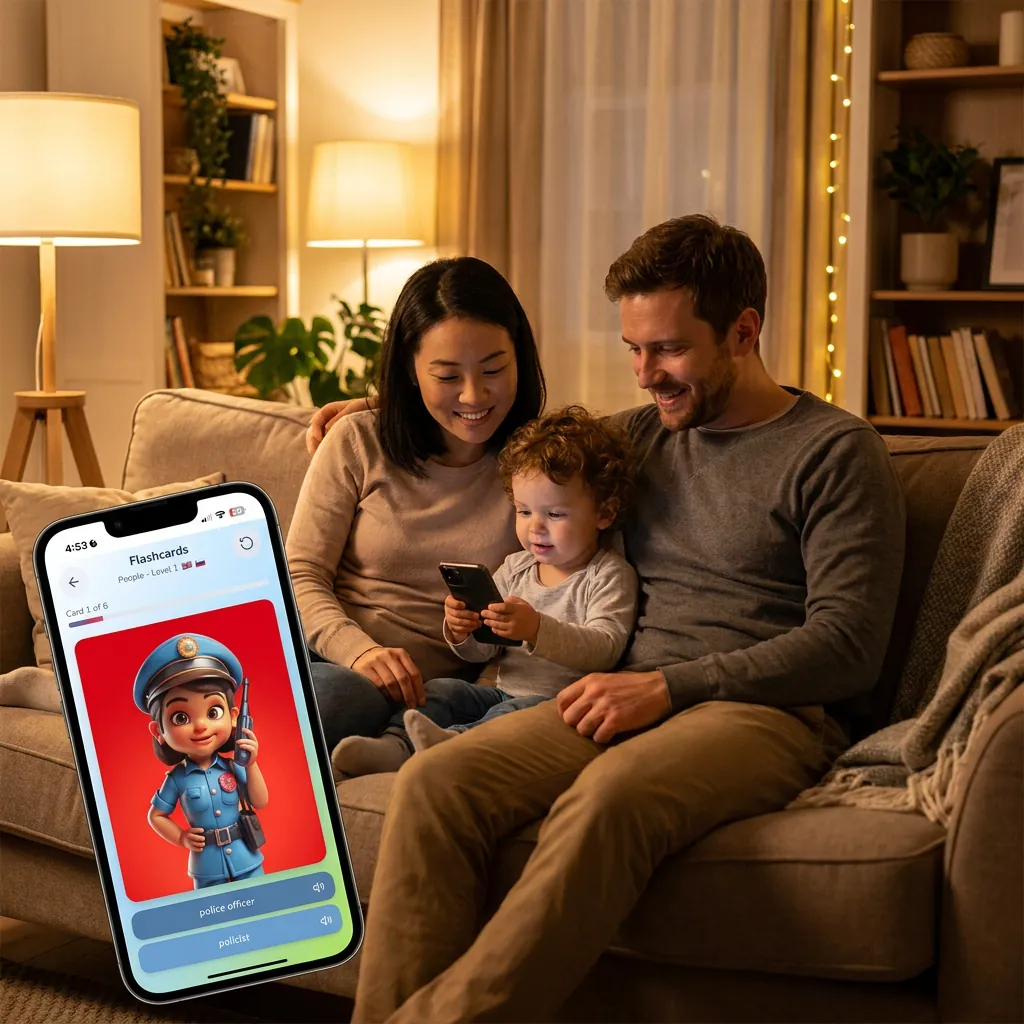
Now short, playful activities help. The most useful ones connect a picture with a sound in both languages at once: your child sees a cat and hears both "cat" and "chat," rather than one language first and the other later. Games that work well at this age:
- Flashcards with audio in both languages
- Memory match, with the same picture paired with the sound in each language
- Listening games: hear the word, find the picture
Ages 4 to 6: building categories
Preschool-age children can start growing vocabulary by topic: animals, food, body parts, colours. Build each category in both languages together, instead of finishing one language and then translating.
Make the words yours
A stock picture of "food" is fine. A photo of grandma's dumplings, with grandma saying the word in Slovak, is far more likely to stick. Words that belong to your child's real day carry more meaning, and a familiar voice makes repetition feel like connection instead of practice.
How EveryLingo helps
EveryLingo is a vocabulary app for children aged 0 to 6, built so that both languages are active in every game. You choose two languages, and your child sees, hears and matches every word in both.
- 720+ ready-made words in 142 language options (75 languages and their regional variants)
- Your own words, photos and voice recordings, and any language or dialect that isn't on the list
- Free to try, with no sign-up. The full version is a one-time payment of $29.99 USD, with no subscription.
To go deeper, read our guide to raising a bilingual child and how customising works.
If you're worried about your child's speech
Being bilingual is never the cause of a speech delay. But if you are concerned about how your child is talking, in any language, ask your doctor or a speech-language pathologist. EveryLingo is a vocabulary tool for families. It is not speech therapy and does not replace professional support.
Try EveryLingo free
Choose your languages and start playing. No sign-up needed.
Play freeFrequently asked questions
Will two languages confuse my toddler?
Research does not show that hearing two languages confuses children. Children can build vocabulary in both at the same time.
Is it a problem if my toddler mixes languages in one sentence?
No. Code-switching is a normal part of bilingual development and a sign your child is using all the words they know.
Do I need to teach one language first and add the second later?
You don't have to. If both languages are part of your child's everyday life, they can grow together.
What if my language isn't in the app?
You can add any language or dialect yourself and record the words in your own voice.
Does EveryLingo cost money?
It is free to try with no sign-up. The full version is a one-time payment of $29.99 USD, with no subscription.