In short: EveryLingo lets you make your own flashcards from your own photos and voice, but a card is more than a flashcard. Every word, ready-made or your own, also plays in five more games, so your child practises the same word by looking, listening, matching and reading. Start with 720+ ready-made words in 142 language options. You can play free, with no sign-up.
Parents know the moment: your child points at something new, you say the word, and suddenly that sound becomes part of their world. EveryLingo is built for exactly that stage, helping little ones (0 to 6) build vocabulary through playful, personalised learning, whether your family speaks one language, two or more.
More than flashcards: every word becomes six games
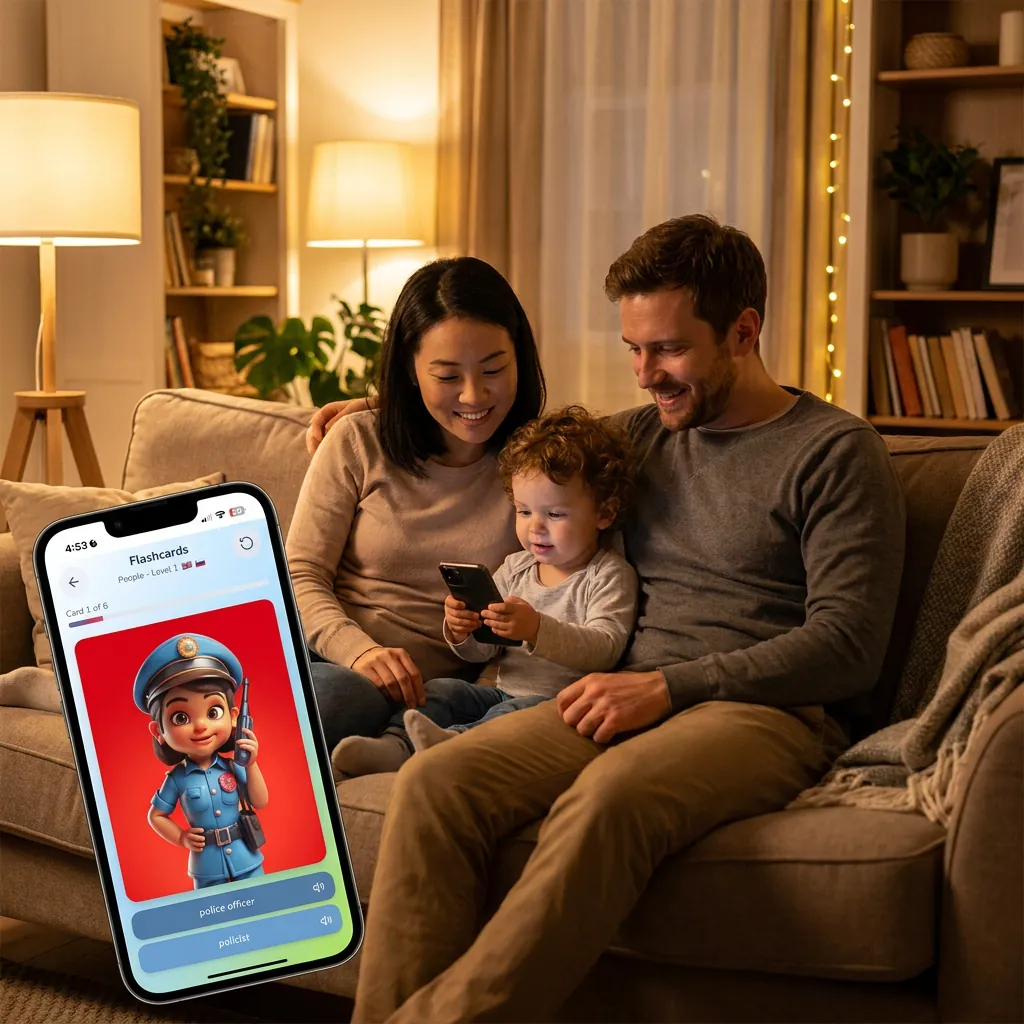
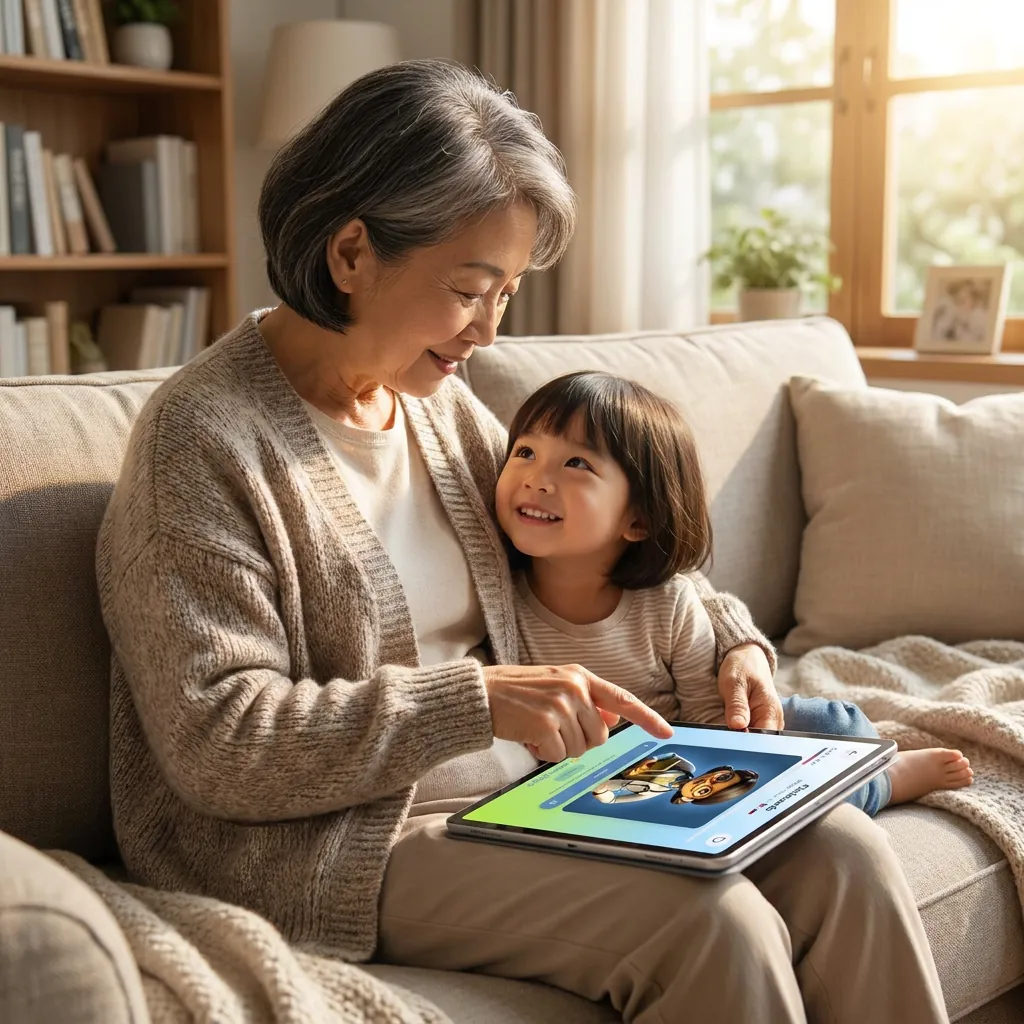
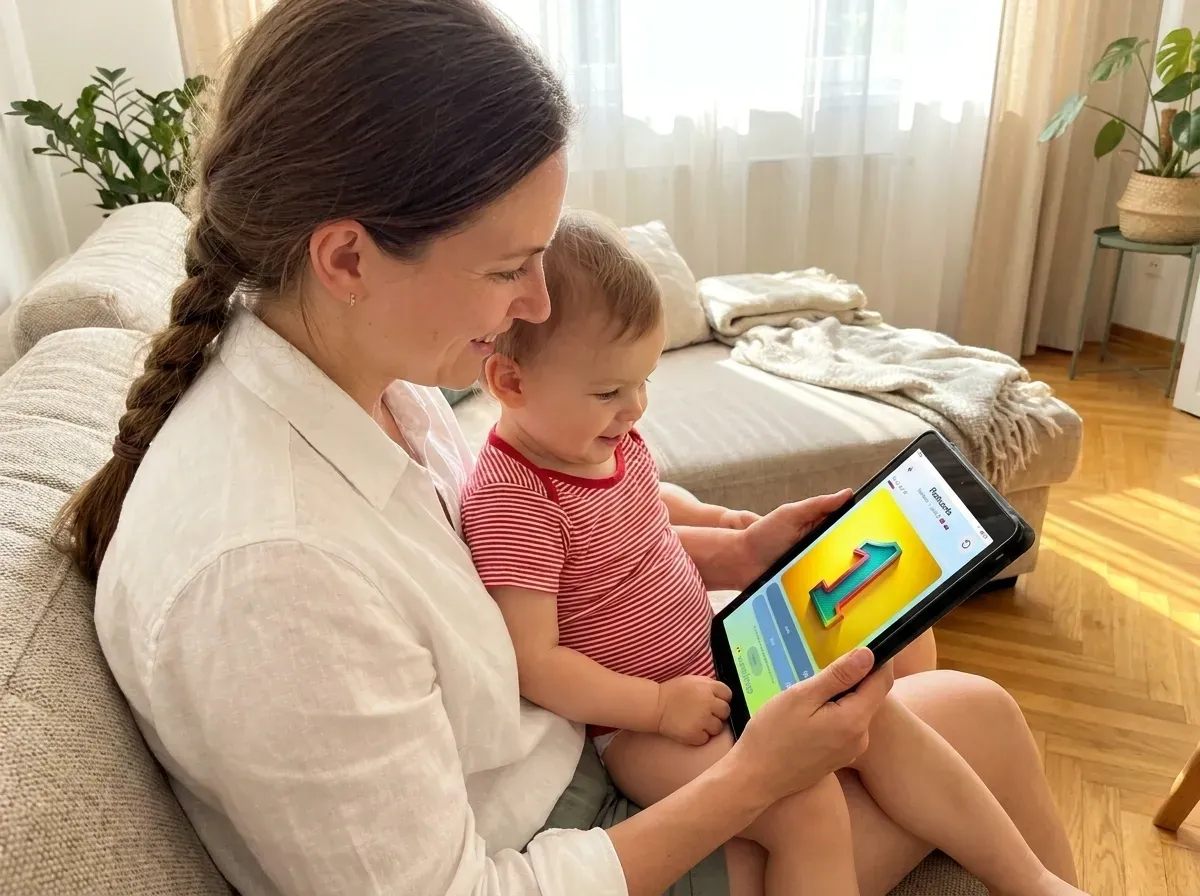
In EveryLingo, a word is a card with three parts: a picture, the written word and a sound. You can tap it as a flashcard. But that same card also powers the other games, so your child meets the word again in a new way each time. A flashcard is where a word begins. The games are where it sticks.
- Flashcards: tap to hear the word in one or both languages
- Memory Match: flip cards to find matching pictures, hearing each word as you go
- Sound Match: hear a word and tap the picture it names
- Reading Match: look at a picture, hear the word and pick how it is written
- Listening Match: tap a picture to hear its word, then match it to the written word
- Word Blocks: tap pairs of picture blocks to clear the board (part of the full version)
The games work the same way for ready-made words and for cards you make yourself. If your toddler only lasts 60 seconds today, that still counts. Vocabulary grows through tiny repeats.
Start with ready-made picture flashcards
You don't have to make anything to begin. EveryLingo comes with 720+ ready-made words, each with a picture and audio pronunciation, in 142 language options (75 languages and their regional variants). Choose two languages and every card shows and says both, without one language acting as the "real" one and the other as the translation.
Words are grouped into everyday categories such as animals, food, objects, nature, colours, numbers, people, verbs and flags, so you can start with what your child already loves.
Or make your own flashcards
If you've ever thought, "I wish I could just turn our real life into flashcards," this is the part for you. You can create a card from scratch with:
- your own photo, such as your dog, your kitchen or a grandparent
- your own voice recording, which is great for family voices, accents and dialects
- the word written the way your family says it, in one language or two
You can also pick a ready-made word from the library and make it yours: change the translation to the way your family says it, swap the picture, or record your own audio. In the free version you can create up to 10 word cards of your own. The full version has room for 500 word cards and lets you edit your saved words later. If you ever fill all 500, just contact us and we'll add more.
Because the cards come from your child's world, the words tend to stick, and practice feels more like play than study.
Why pictures work for young children
Pictures let a child connect a word to a real thing before they can read. Pairing an image with a sound, and repeating that pairing in short, playful sessions, is how vocabulary builds. Tip: start with photos your child already loves (a favourite snack, toy, pet or person), then expand into categories.
Minority, Indigenous and heritage languages
Many families look for a language app not just for learning, but for keeping a language and a culture alive. EveryLingo treats all languages equally. It includes minority languages such as Irish, Welsh, Maltese, Catalan, Galician and Inuktitut (in two writing systems). If your language or dialect isn't on the list, you can add it and record the words yourself.
Families use this to build vocabulary that matters to them: family and kinship words, the names of places and Country, and everyday objects. If you're raising a child with a heritage language, consistency matters more than perfection. A few minutes a day with the right words can make a real difference over time. Read more in our guide to customising EveryLingo and on why language preservation matters.
A simple way to start today
Not sure what to add first? Try this starter set and build it in your two languages:
- Family: mum, dad, siblings, grandparents
- Daily routine: bath, bed, shoes, toothbrush
- Favourite things: snack, toy, book
- Feelings: happy, tired, hungry
- Places: home, park, school
Then let the games do the repetition for you.
Try EveryLingo free
Choose your languages and start playing. No sign-up needed.
Play freeFrequently asked questions
Is EveryLingo just a flashcards app?
No. Flashcards are one of six games. Every word, ready-made or your own, also plays in Memory Match, Sound Match, Listening Match, Reading Match and Word Blocks.
Do I have to make my own flashcards?
No. EveryLingo comes with 720+ ready-made words in 142 language options. Making your own cards is optional.
How many custom flashcards can I create?
In the free version you can create up to 10 word cards. The full version has room for 500, and if you fill them all you can contact us to add more.
Can I record my own voice?
Yes. You can record any word in your own voice, or a grandparent's, so your child hears the accent and dialect of your family.
What if my language isn't on the list?
You can add it yourself. Add the words, photos and recordings, and they play in the same games as the ready-made words.
Does EveryLingo cost money?
It is free to try with no sign-up. The full version is a one-time payment of $29.99 USD, with no subscription.